
Build an approval‑ready credit profile
Understand what’s driving your credit decisions, identify items that may be unfair or inaccurate, and take a structured next step toward stronger approvals and better terms.
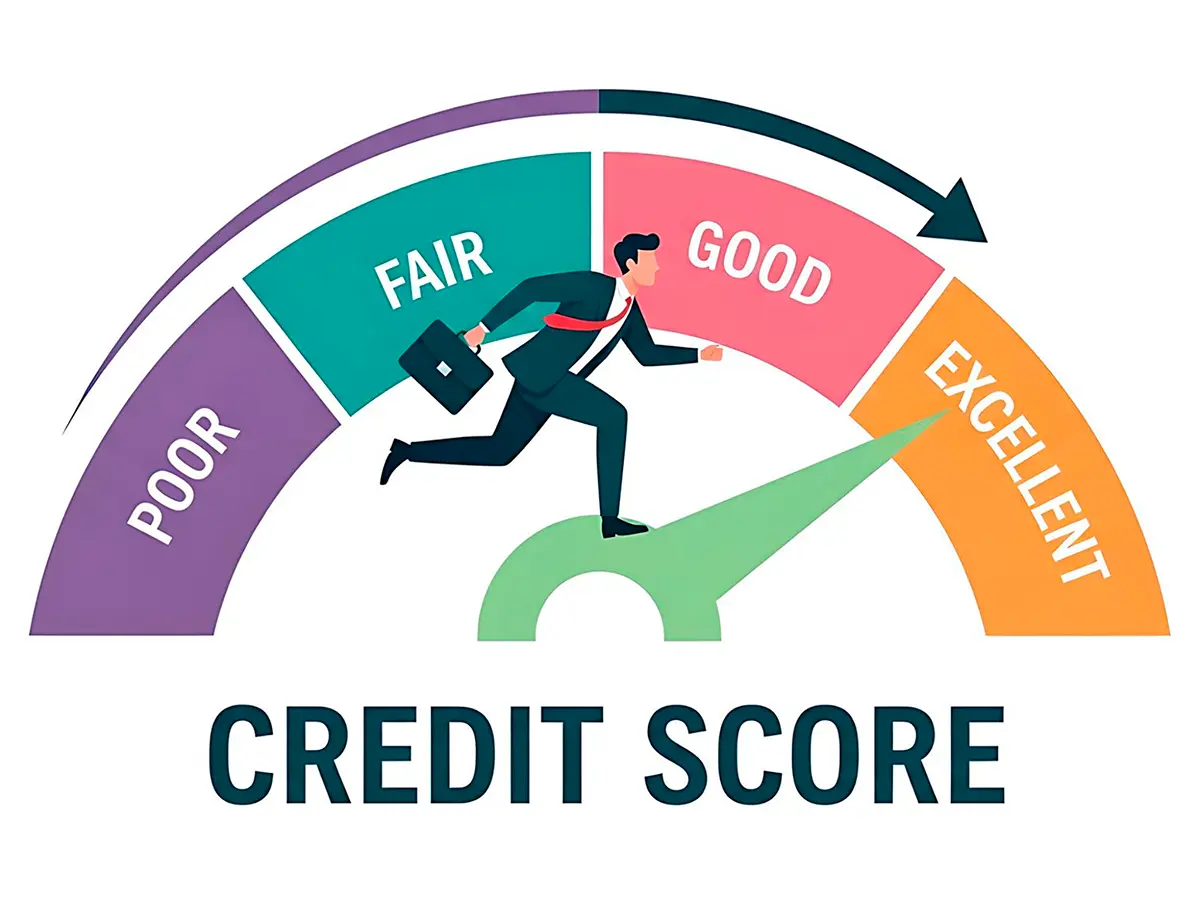
Built around established U.S. credit reporting practices and dispute procedures under the Fair Credit Reporting Act (FCRA). No unrealistic promises—just clarity, documentation, and structured credit improvement.
Unlock more options
Choose the outcome you care about. We’ll outline what improves it—and what to watch for—so you can move forward with confidence.
Your path to stronger credit
A stronger credit profile can mean better approval odds, improved loan terms, and more financial flexibility. Get a clear, no-fluff overview of what credit improvement can help you achieve — then take the next step when you're ready.
Credit decisions in the U.S. are typically influenced by payment history, utilization ratios, account age, recent inquiries, and the accuracy of reporting across major credit bureaus.
Even small inconsistencies can affect lending algorithms. A structured credit improvement approach focuses on verified data, responsible usage patterns, and consistent financial behavior.
*Results vary. This page does not guarantee outcomes.
How it works
A straightforward workflow used by reputable credit‑support programs: review, challenge what’s questionable, and build stronger habits while updates are processed.

Review your starting point
Clarify your goal and look at what’s currently affecting approvals and terms.

Identify what can be challenged
See what information is typically needed, what to expect next, and how the workflow usually looks.

Move forward
Continue to explore available options and take the next step toward better credit outcomes.
instant credit boost strategies with precise outcomes
Fast is good; accurate is better. An instant credit boost (yes, "instant" is doing a lot of work here) is possible only when you choose moves that update bureaus quickly and affect scoring factors that are actually in play for your lender.
Speed matters, but precision rules
I prioritize actions that change utilization, verified data, or file depth in days, not months. Selection is everything: the right step on the right account at the right moment. One sloppy move - like paying after the statement cuts - wastes effort.
Moves that can register quickly
- Lower utilization before the statement date: Pay revolving balances to keep each card and overall below 9% of limit. Ask the issuer for an off-cycle update; some will push a fresh balance to the bureaus after a payoff.
- Request a soft-pull credit limit increase: If granted, it can reduce utilization once the new limit reports. Avoid hard inquiries unless the expected gain is clearly larger than the hit.
- Add alternative data carefully: Services that report utilities, phone, or streaming to Experian can yield a same-day lift, mostly on Experian-based FICO 8/9 and VantageScore. Useful, but it won't move scores your lender isn't using.
- Authorized user with discipline: Choose a seasoned, low-utilization, clean account from someone you trust. Ensure the bank reports AUs to all bureaus. This typically helps on the next cycle.
- Lender-driven Rapid Rescore: Not DIY. With documentation (payoff letters, updated limits), a mortgage lender can request bureau updates in days. High-impact when timing is tight.
Selection principles that prevent backfires
- Target the fattest ratio first: One maxed card hurts more than several low-balance cards. Fix the outlier.
- Verify report timing: Know each card's statement cut date and typical bureau reporting lag.
- Match the move to the model: Mortgage = classic FICO versions; auto cards often use FICO 8/9; some fintechs use VantageScore. Don't optimize the wrong field.
- Document everything: Keep payment receipts, balance screenshots, and issuer messages in one folder. If you need a rapid rescore, speed comes from proof.
A quiet real-world moment
Friday 6:40 p.m., a borrower was 14 points short for a rate tier. We paid a single card from 62% to 7% utilization, grabbed the confirmation, and the lender ordered a Rapid Rescore Monday with the receipt. Midweek, the score cleared the threshold by 19 points. No heroics - just accurate sequencing.
Accuracy checklist for fast gains
- Confirm each card's statement cut date and pay 3 - 5 days before it.
- Ask issuers for off-cycle updates after large paydowns.
- Seek soft-pull CLIs; decline hard pulls unless ROI is obvious.
- Add utility/rent data only if the target score uses it.
- Keep one small recurring charge on a primary card and pay in full - active, low-utilization data scores better than silence.
- Avoid opening new accounts right before lending; age and inquiries aren't instant-fix items.
- Dispute clear errors with documentation; for urgent closings, route proof through a lender for rescore.
What isn't "instant"
Average age gains, removing accurate negatives, and broad dispute outcomes. Those take patience. Focus on utilization, verified updates, and model alignment for the quickest, cleanest lift.
Select precisely, execute cleanly, and your boost arrives faster - and sticks.
Rebuilding your credit can feel like a challenge, but these 10 credit lines offer powerful solutions for boosting your score.
1. **Pay Down Balances**: Reducing credit card balances can quickly improve your credit utilization ratio. - 2. **Correct Errors**: Dispute and ...
The quick way to raise your credit score. One of the quickest ways to improve your credit score is to lower your credit utilization ratio. That ...
Frequently asked questions
A clear next step — without the guesswork
See what’s impacting approvals and what may deserve a closer look.
Understand how disputes are structured and what documentation matters.
Improve utilization, consistency, and long-term credit stability.
See what improving your credit could change
Take a structured next step based on your current profile — and decide with clarity.